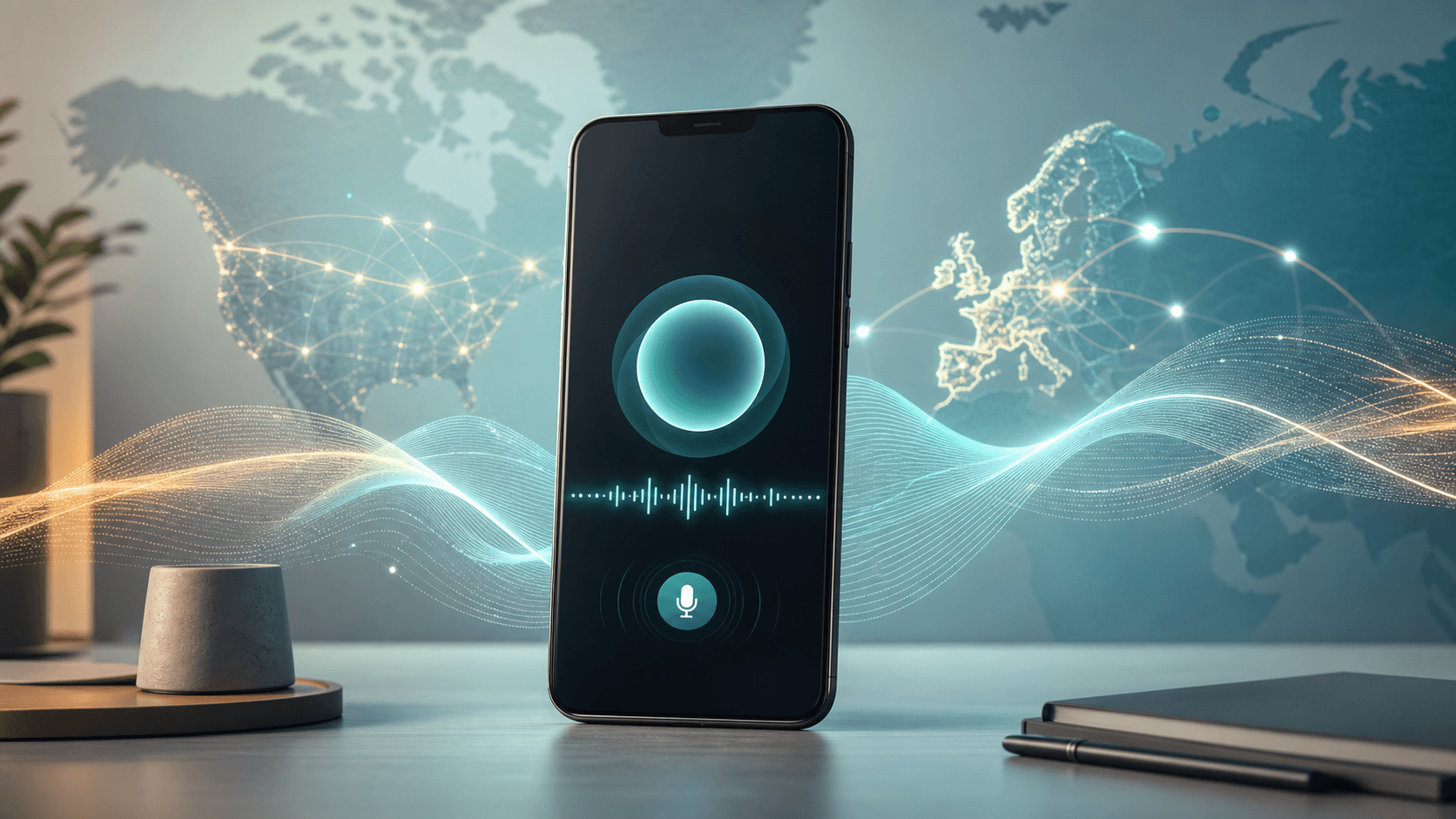
The first thing many users may notice about the ChatGPT GPT-Live voice update is not a dramatic new sound. It is the quieter change underneath: the conversation feels less like taking turns on a walkie-talkie and more like speaking to a system that can follow the rhythm of normal speech.
According to current reporting from TechRadar, The Verge and Business Insider, OpenAI has begun rolling out GPT-Live-1 for ChatGPT Voice, with a lighter GPT-Live-1 mini version expected for free users. The update is aimed at making spoken conversations faster, less awkward and more useful when users interrupt, pause or change direction mid-sentence.
That matters because voice has always promised an easier way to use AI, but the experience often breaks down in small moments. The assistant speaks too soon. It misses the end of a thought. It waits for silence for a little too long. Or it keeps talking after the user already knows what they want to ask next. GPT-Live is designed to soften those rough edges.
How ChatGPT GPT-Live Voice Changes the ChatGPT Voice Experience
The reported headline feature is full-duplex conversation. In plain English, ChatGPT can listen and speak at the same time. Older voice assistants usually treat audio like a series of separate messages: the user talks, the system waits, then the system answers. That structure works for simple commands, but it feels stiff in a real conversation.
With GPT-Live, ChatGPT is reported to process incoming speech while it is also producing an answer. That means it can react to interruptions, hold back when a pause sounds like thinking time, and give brief listening signals without treating every sound as a finished question.
A small change like that can make the whole experience feel different. People do not always speak in perfect paragraphs. They hesitate, restart sentences, add context late and correct themselves. A voice model that handles those habits gracefully becomes more useful in the messy middle of everyday life.
Why The New Voice May Feel Less Awkward
One of the biggest complaints about AI voice assistants is premature interruption. A user pauses for half a second, and the assistant assumes the question is finished. That can be annoying when someone is thinking aloud, reading from notes or trying to explain something complicated.
GPT-Live is meant to reduce that friction by paying closer attention to conversational timing. Reports say the model can wait through pauses, respond to interruptions and use short acknowledgements such as listening cues while the user is still speaking. The goal is not just a smoother voice, but a better sense of when to speak and when to stay quiet.
This could be especially useful for people who use ChatGPT while walking, driving as a passenger, cooking, studying or working away from a keyboard. Those are exactly the moments where typing feels slow and voice should feel natural.
What Users In The US And Europe Can Try
For users in the United States and Europe, the practical use cases are easy to imagine. A commuter in New York could talk through the day’s schedule. A traveler in Paris could ask for help comparing train options. A student in Berlin could practice an English presentation and interrupt ChatGPT whenever a phrase needs to be repeated more slowly.
The update could also make spoken brainstorming feel less formal. Instead of preparing a clean prompt, users can describe a problem as it comes to mind, add details halfway through and ask ChatGPT to adjust the answer without starting over. That is where full-duplex voice becomes more than a technical term.
Translation is another area to watch. Several reports say GPT-Live can support more natural live translation, which could make it useful for travel, language practice and quick explanations across languages. Even so, users should treat important translations carefully, especially for legal, medical, official or financial documents.
Availability: What To Check Before You Look For It
Reports say the rollout began on July 8, 2026, with GPT-Live-1 available to paid ChatGPT users and GPT-Live-1 mini available to free users. The update is described as coming to ChatGPT on the web and on iOS and Android.
As with most large ChatGPT rollouts, availability may still vary by account, region, plan and app version. If you do not see the new experience immediately, update the mobile app, check the voice settings and remember that staged rollouts can take time. Workspace accounts may also have different feature controls from personal ChatGPT accounts.
At publication time, ThemeLari could not find a dedicated public OpenAI documentation page for GPT-Live. For that reason, this article treats plan and feature details as reported rollout information rather than as a permanent support document. Users should check their own ChatGPT app for the final experience on their account.
The Bigger Shift Is From Commands To Conversation
The most interesting part of GPT-Live is not that an AI voice sounds nicer. Plenty of voice assistants have pleasant speech. The harder problem is conversation management: knowing when a user is done, when they are still thinking, when they are correcting the assistant and when the system should briefly acknowledge without taking over.
That is why full-duplex voice could become important beyond ChatGPT. Customer support, tutoring, accessibility tools, language learning apps, travel assistants and workplace software all depend on timing. If a voice interface cannot handle interruption, it can quickly feel slower than typing.
A better voice layer also changes how people think about AI. Text chat is good for careful work, long answers and documents. Voice is better for momentum. It helps when someone wants to talk through an idea before it is fully formed.
Smarter Voice Still Needs Careful Trust
A natural voice can make an answer feel more confident than it really is. That is useful when the answer is correct, but risky when the topic depends on current facts, personal circumstances or expert judgement. A smoother voice does not remove the need to verify important information.
Users should be especially careful with health, money, law, immigration, safety and time-sensitive travel questions. ChatGPT can help organize thoughts, explain options and suggest next steps, but it should not be treated as a professional authority when the stakes are high.
There is also a privacy angle. Speaking out loud may reveal more personal context than typing a short prompt. Users should avoid sharing sensitive information in public places and should review ChatGPT’s data controls if they use voice for personal, work or family matters.
Why This Matters For OpenAI And The AI Market
Voice is becoming one of the main battlegrounds in consumer AI. The company that makes voice feel useful without feeling pushy has a better chance of becoming part of daily routines. People may not open a text box while cooking dinner, but they might ask a voice assistant to turn a messy idea into a short plan.
The reported GPT-Live rollout also shows how AI products are becoming more layered. A fast voice model can manage the flow of conversation while stronger background models handle harder reasoning or web-based tasks. If that handoff works well, users get both speed and intelligence without needing to understand which model is doing which job.
That is the promise. The test will be ordinary use: interruptions, noisy rooms, accents, mixed languages, vague questions and moments when the assistant simply needs to stop talking. Those everyday details will decide whether GPT-Live feels like a real upgrade or just another mode name.
Bottom Line
The ChatGPT GPT-Live voice update points toward a more natural kind of AI interaction. If the rollout works as reported, users should notice faster back-and-forth, fewer awkward interruptions and a voice experience that can better handle the way people actually speak.
For users in the US and Europe, the best approach is simple: update ChatGPT, try a few natural conversations and check which features are active on your plan. GPT-Live may not make AI perfect, but it could make talking to ChatGPT feel less like issuing commands and more like shaping an idea out loud.